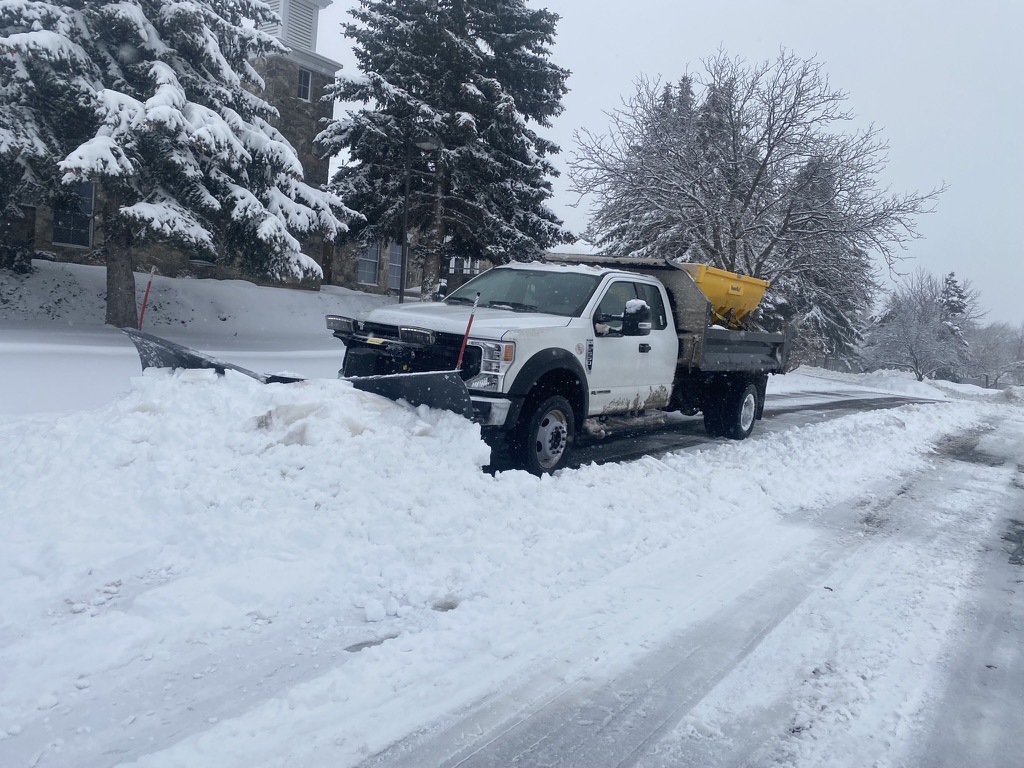
Grounds, irrigation & snow
Grounds maintenance, irrigation & snow.
Annual contracts covering mowing, fertilization, pruning, spring startup, smart irrigation management, fall winterization, and snow and ice management through the winter. One vendor, twelve months.
In scope
What's in scope.
Self-performed with our own crew and our own equipment. Twelve months of it, not eight.
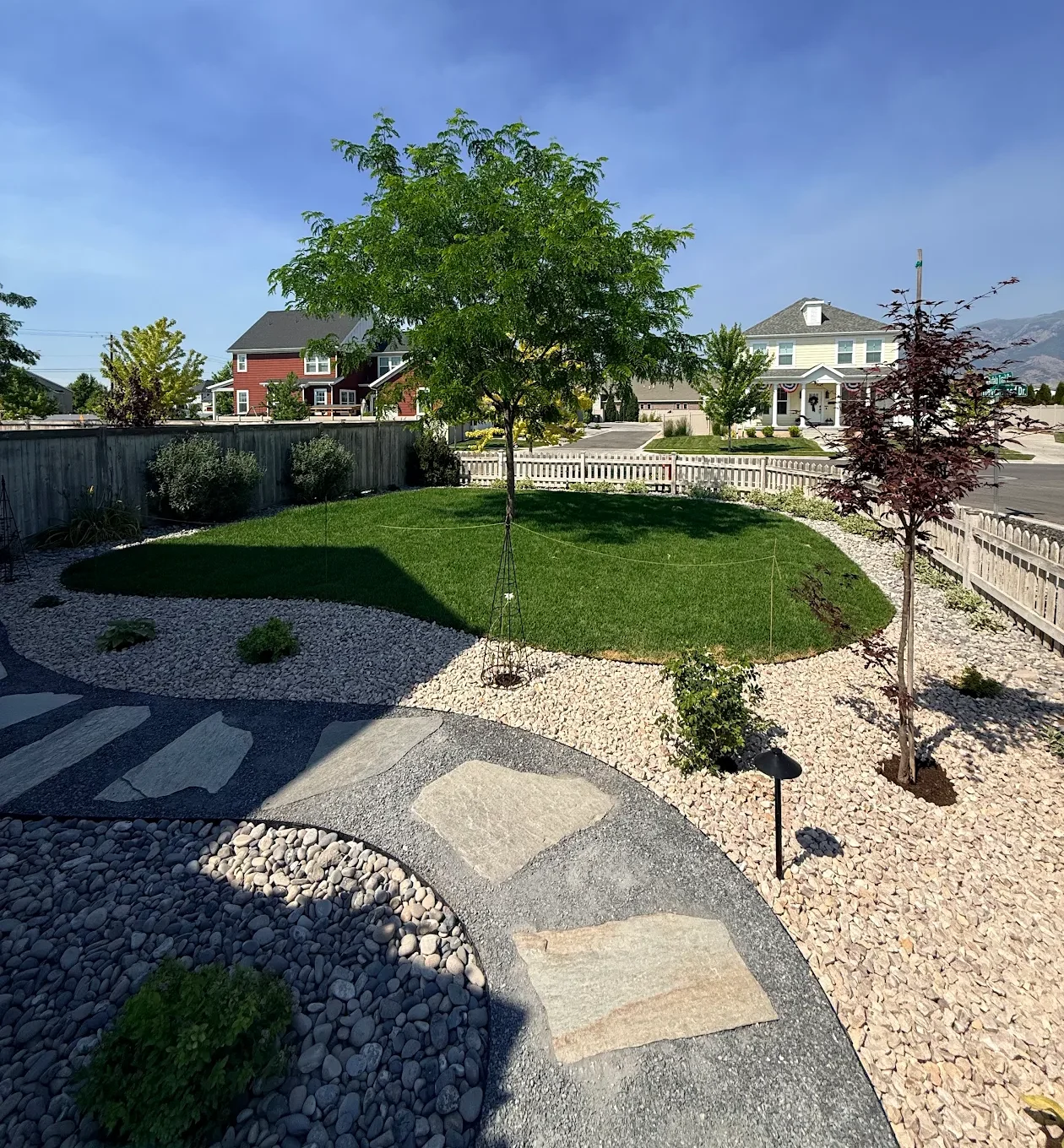
Mowing, fertilization and pruning
The half of the job everyone sees. Cut on a schedule your tenants can set their watch by, fed on a program that matches the season, and pruned before it turns into a complaint.
Spring startup
Controllers, valves and heads checked and adjusted before the first hot week, not after the first brown patch shows up in front of the entrance.


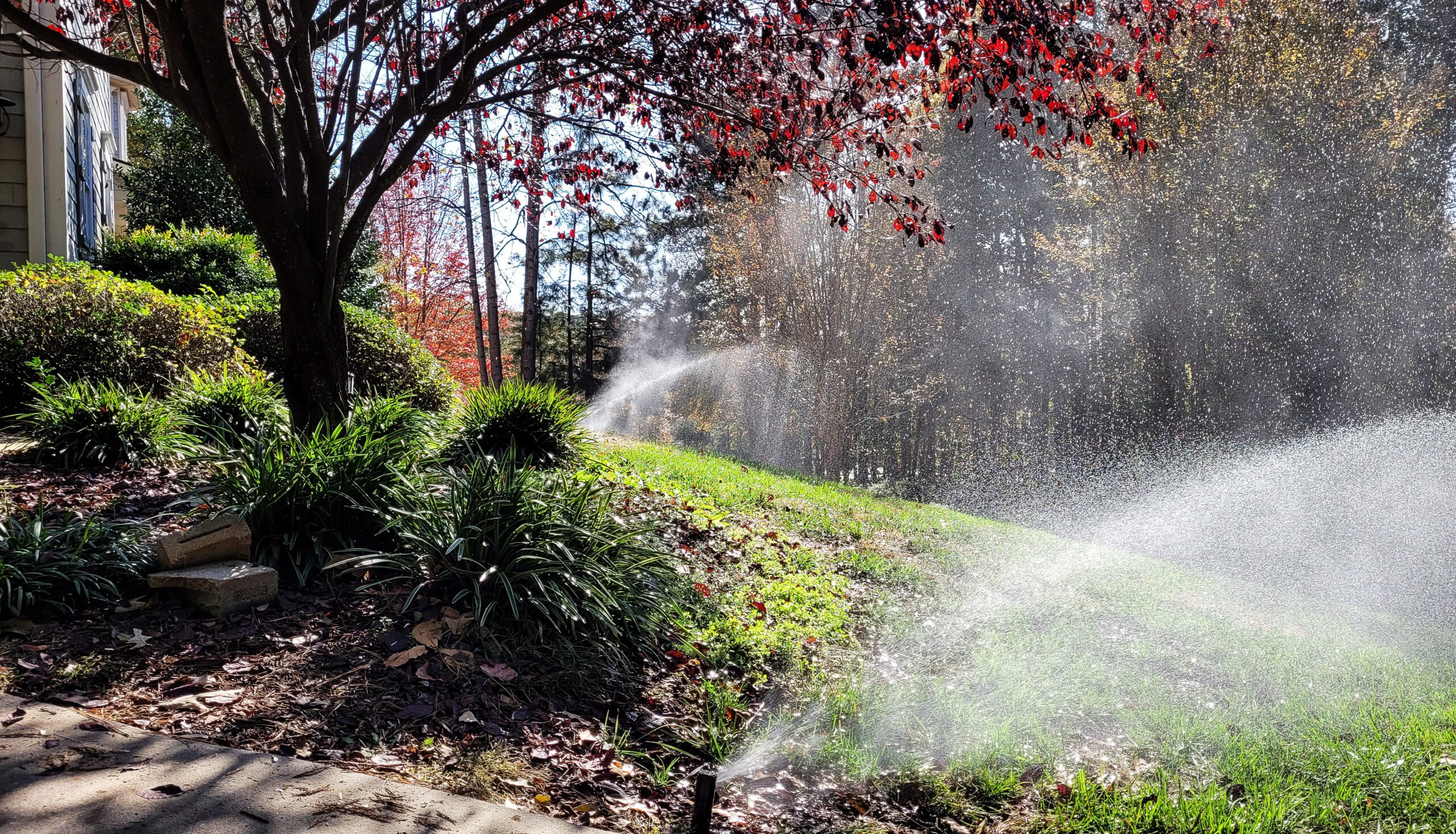
Smart irrigation management
Programmed and adjusted through the season instead of set once in April. On a Northern Utah property water is one of the largest line items, and it gets managed like one.
Fall winterization
Systems blown out and shut down before the first hard freeze. A cracked main in November gets paid for twice: once in parts, and once in the spring spent chasing it.
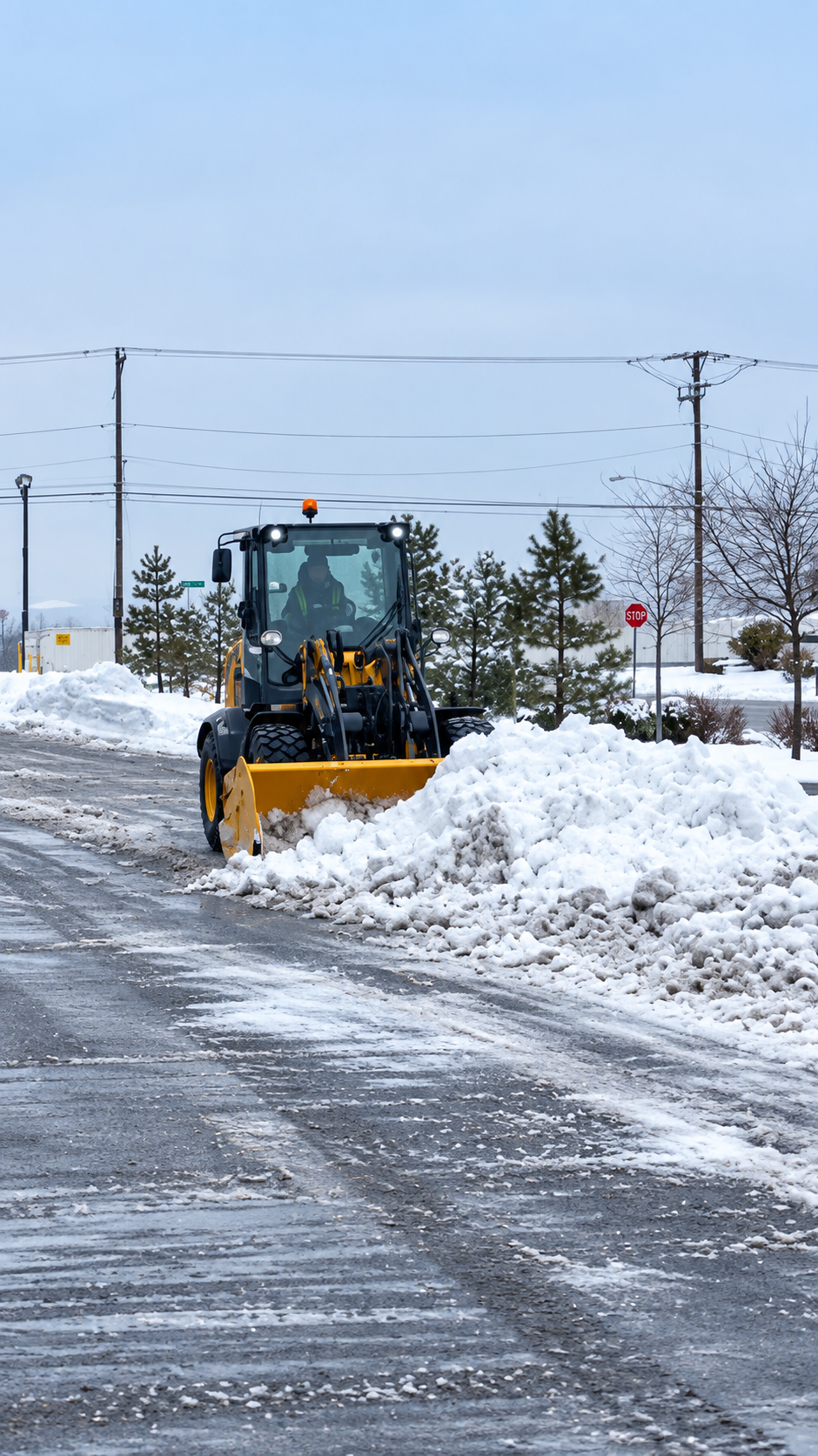
Snow and ice management
Written into the annual contract, not bid separately in October when every plow in the corridor is already committed. Same crew that already knows where your drains and curbs are.
Annual contracts: one vendor, twelve months
One contract and one point of contact covering grounds, irrigation and snow. Twelve months of coverage with no gap in it where a second vendor has to be found and onboarded.
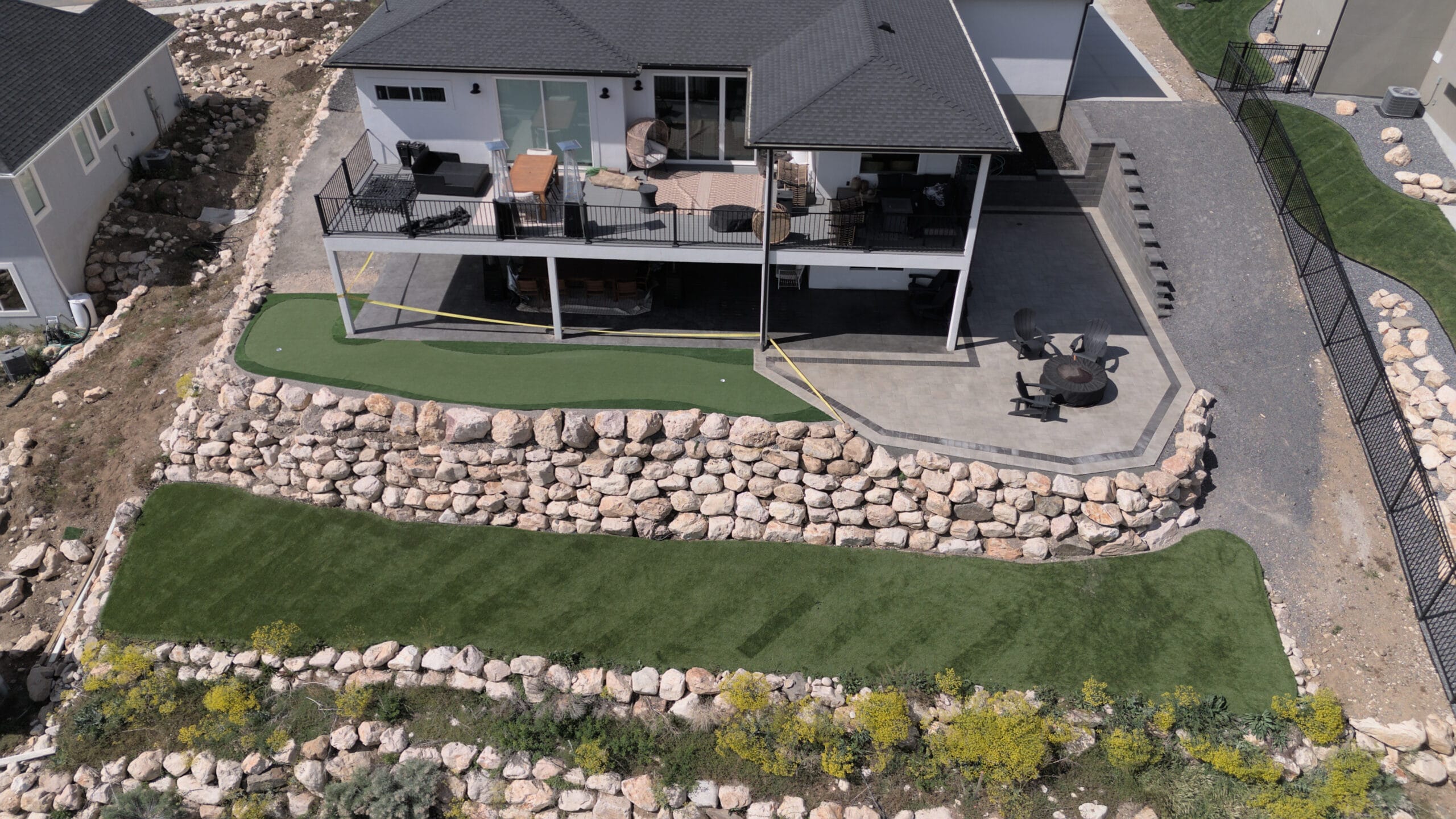
The same crew on your property in July and in January, which is the only way the person plowing your lot already knows where the curbs are.
Who this is for
The buyers who audit every vendor first.
-
01Property managers
-
02HOA boards
-
03Institutional & multi-site owners
How we work
How a bid becomes a finished site.
Self-performed end to end. This is the order the work actually happens in.
-
01
Walkthrough and takeoff
We visit the site, review the plans and confirm scope with your PM or superintendent before we price anything.
-
02
Scoped bid
A line-item proposal with quantities, exclusions and a schedule. No vague allowances that turn into change orders.
-
03
Preconstruction
Submittals, certificates of insurance, W-9 and safety documentation delivered before mobilization, in the format your office needs them.
-
04
Self-performed execution
Our crew, our equipment, one point of contact and weekly photo updates from the site.
-
05
Closeout and handoff
Punch list walkthrough, warranty terms in writing, and an optional maintenance contract that starts the day we finish.
One vendor, four scopes
Also self-performed by the same crew.
Send us the plans.
You’ll hear back from the owner or the estimator — not a call center.